Freight forwarding is one of the most critical components of Nepal’s export and import industries. For businesses exporting carpets, handicrafts, agricultural products, or any other goods, efficient shipping is the key to success. Inefficient freight forwarding can result in delayed shipments, damaged goods, unexpected costs, or even lost business opportunities.

In this article, we will discuss the best practices for freight forwarding from Nepal that every exporter should follow. These strategies will help you avoid delays, minimize costs, and ensure your shipments reach international destinations safely.
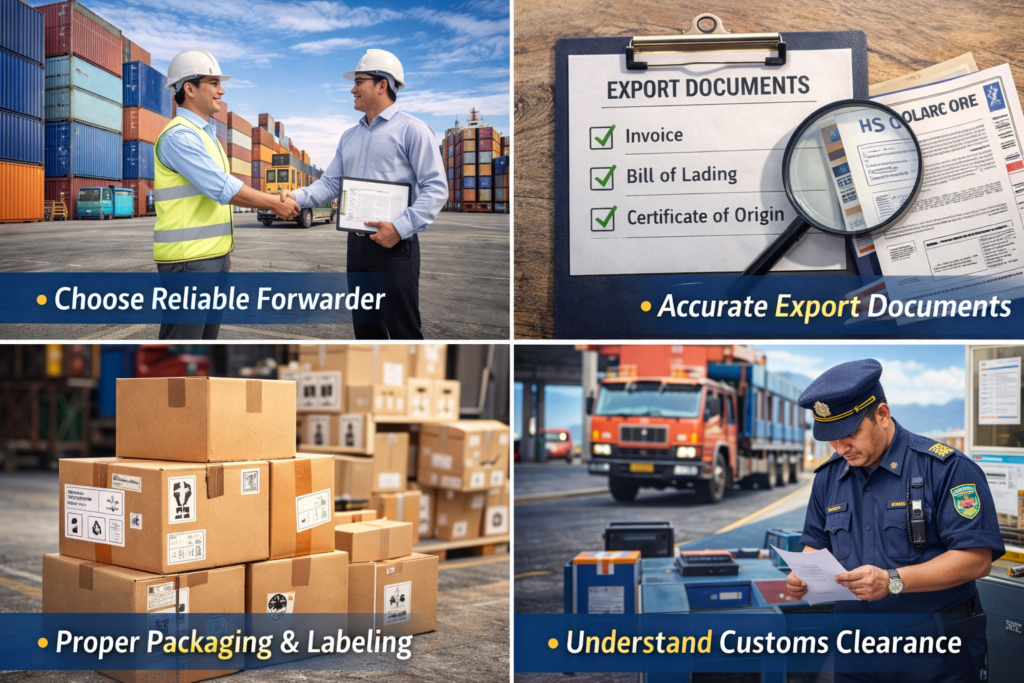
1. Choose a Reliable Freight Forwarder:
The first step in successful freight forwarding is selecting a trustworthy and experienced company. A good freight forwarder is not just a transporter—they are your logistics partner. Here’s what to look for:
- Experience with Nepalese exports: Companies familiar with Nepal’s borders, such as Birgunj, Kakarbhitta, and Bhairahawa, can navigate local customs smoothly.
- Strong network: The forwarder should have established connections with airlines, shipping lines, and transport companies to ensure flexible and cost-effective shipping.
- Customs expertise: Knowledgeable forwarders help with document preparation, customs filing, and clearance procedures.
A reliable freight forwarder can prevent common problems like shipment delays, miscommunication, or customs penalties, which can cost both time and money.
2. Plan Your Shipment in Advance:
Advance planning is crucial in freight forwarding. Properly preparing your shipment can prevent last-minute issues and ensure a smooth process. Consider the following factors:
- Volume and weight: Correctly calculating the weight and volume of your shipment ensures accurate freight charges and proper packaging.
- Transit time requirements: Depending on urgency, choose between air freight (faster, costlier) or road freight (slower, more affordable).
- Seasonal factors: Monsoon rains or winter snow can affect road conditions on Nepal-India or Nepal-China trade routes, causing delays.
By planning ahead, you can avoid unnecessary stress, reduce the risk of delays, and save money by choosing the most efficient shipping option.
3. Accurate Documentation Is Essential:
Incorrect or incomplete documentation is one of the most common reasons shipments are delayed at Nepal customs. Best practices include:
- Commercial Invoice and Packing List: Clearly state the quantity, value, and description of goods.
- Bill of Lading or Airway Bill: Acts as proof of shipment and is required by carriers.
- Certificate of Origin: Some importing countries require proof that the goods were produced in Nepal.
- Customs Declaration Forms: Accurately filled forms reduce the chance of inspections or penalties.
Double-check all documents before submission to customs. Even minor errors, like incorrect HS codes or missing signatures, can cause shipment delays or fines.
4. Use Proper Packaging and Labeling:
Proper packaging and labeling are critical to protecting goods and ensuring smooth customs clearance. Here’s what exporters should do:
- Secure packaging: Use strong boxes, pallets, crates, or shrink-wrapped bundles, depending on the product.
- Correct labeling: Include product details, quantity, weight, and HS codes on all packages.
- Special packaging: Fragile, perishable, or hazardous goods require additional protection, such as temperature-controlled packaging or reinforced crates.
Proper packaging not only prevents damage during transit but also helps customs officers quickly identify and inspect shipments without causing delays.
5. Track Your Shipments and Maintain Communication:
Modern freight forwarding is more than just moving goods; it involves tracking and communication. Best practices include:
- Tracking systems: Use tools provided by your freight forwarder to monitor shipment progress.
- Communication: Stay in touch with customs brokers, carriers, and suppliers to anticipate delays or issues.
- Contingency planning: Identify alternative routes or transport methods in case of unexpected obstacles.
Keeping track of your shipments reduces stress, prevents lost cargo, and allows quick action when problems arise.
6. Understand Nepal Customs Procedures:
Nepal’s customs and border procedures can be complex. A thorough understanding is essential to avoid delays and extra costs. Exporters should:
- Know major border points: Birgunj (India), Kakarbhitta (India), and Bhairahawa (India) are key trade checkpoints.
- Classify goods correctly: Using the right HS codes ensures smooth clearance and avoids penalties.
- Check restricted items and duties: Some goods require special permits, while others may face export restrictions.
Being familiar with these procedures minimizes the risk of cargo being held at customs or rejected.
7. Plan for Contingencies:
Even with careful planning, delays and issues can occur due to weather, traffic, or administrative problems. To mitigate risks:
- Keep buffer time in your shipping schedule.
- Purchase cargo insurance to protect against damage or loss.
- Have alternative transport options ready if your primary route is blocked.
Proactive planning ensures that your shipment continues to move even when unexpected challenges arise.
8. Optimize Costs Without Compromising Efficiency:
Cost optimization is important for exporters operating on tight margins. Some tips include for Best Practices for Freight Forwarding from Nepal in 2026.:
- Consolidate smaller shipments to save on freight charges.
- Compare multiple freight forwarders for competitive rates.
- Avoid unnecessary packaging that adds weight without protecting the goods.
Balancing cost with reliability is key to sustainable exporting.
9. Stay Updated on Policies and Regulations:
Nepal’s trade policies and customs rules change frequently. Exporters should:
- Monitor notifications from Nepal Customs and the Ministry of Commerce.
- Stay informed about trade agreements, export duties, and import restrictions.
- Subscribe to newsletters or portals that provide updates on freight, tariffs, and border policies.
Being updated prevents costly compliance mistakes and ensures smooth, timely shipments.
10. Use Technology and Tools:
Leverage digital tools to make freight forwarding easier and more accurate:
- Freight calculators: Estimate shipping costs and compare options.
- HS Code Finder: Ensure correct classification of goods.
- PAN Search & Company Verification Tools: Verify trading partners and reduce fraud risk.
Digital tools reduce human error, save time, and improve decision-making for exporters.
Conclusion
Efficient freight forwarding is the backbone of Nepal’s export industry. Following the best practices for freight forwarding from Nepal ensures your goods reach international buyers on time, safely, and cost-effectively.
By choosing a reliable freight forwarder, planning shipments in advance, preparing accurate documentation, using proper packaging, tracking shipments, understanding customs procedures, planning for contingencies, optimizing costs, staying updated on policies, and leveraging technology, Nepalese exporters can reduce delays, avoid unnecessary costs, and maintain a strong reputation in global markets.
Q1: How do I choose a reliable freight forwarder in Nepal?
Look for a forwarder with experience in Nepalese exports, strong connections with carriers, knowledge of customs procedures at key borders like Birgunj and Kakarbhitta, and positive client reviews.
Q2: What documents are needed for freight forwarding from Nepal?
Common documents include: Commercial Invoice,Packing List,Bill of Lading or ,Airway Bill,Certificate of Origin,Customs declaration forms,Accurate documentation prevents shipment delays and penaltie
Q3: How can I avoid customs clearance delays in Nepal?
Ensure proper documentation, classify goods correctly with HS codes, avoid prohibited items, and work with experienced freight forwarders or customs agents. Planning shipments in advance also helps.
Q4. Can I insure my exported goods from Nepal?
Yes, cargo insurance is highly recommended to protect against loss, damage, or delays during transport. Always check with your freight forwarder about available insurance options.
Q5: What are common mistakes in Nepal freight forwarding?
Common mistakes include:Incorrect or missing documentation,Wrong HS codes,
Poor packaging,Not accounting for seasonal or border delays,
Choosing unreliable freight forwarders