
Birgunj is the most important trade gateway of Nepal. Nearly 70–75% of Nepal’s imports and exports pass through the Birgunj–Raxaul border. Despite its importance, exporters and importers face daily customs clearance delays at Birgunj, which directly impact cost, delivery time, and business reputation.
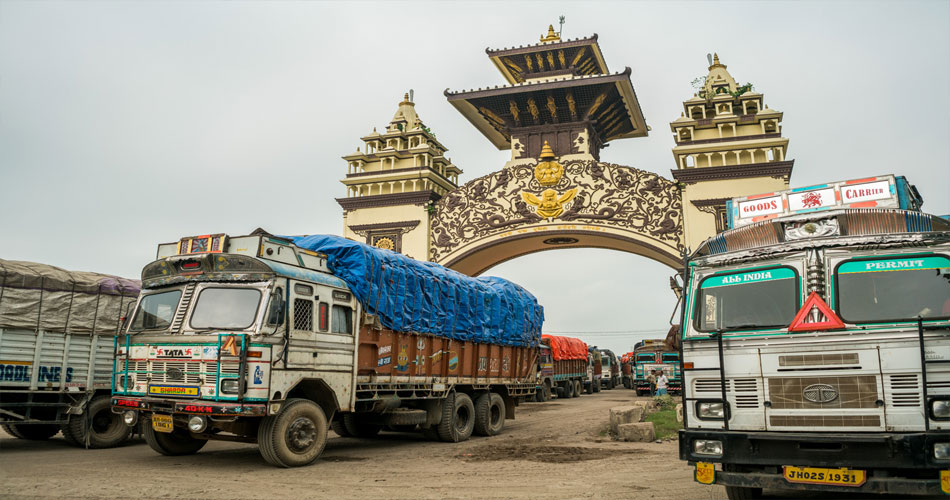
If you are involved in exporting or importing goods from Nepal, you already know how frustrating it is when a shipment gets stuck at Birgunj customs. Trucks waiting for days, documents being rejected, sudden inspections, system downtime, or miscommunication between parties — these problems happen every single day.
This article explains how to avoid customs clearance delays at Birgunj using practical, real-world solutions that traders, exporters, and logistics professionals can apply immediately. And it is totally based on real experience because I’m self involve in export department of one of the reputed company of Birgunj, So that it will be more practical article.
Why Customs Clearance Delays at Birgunj Are So Common.
Before learning how to avoid delays, it’s important to understand why Birgunj customs clearance is slow sometime in many cases:
- Heavy daily cargo volume.
- Manual documentation errors.
- Wrong HS codes.
- System (ASYCUDA) downtime.
- Poor coordination between exporter, agent, and transporter.
- Sudden customs inspections.
- Incomplete or mismatched documents.
Most delays are not accidental — they are preventable.
1. Incorrect or Incomplete Documentation (Biggest Cause of Delay)
One of the most common daily problems at Birgunj customs is document mismatch.This is one of the common mistakes that must of us are following when we are in hurry. The common mistakes are listed below:
Common mistakes:
- Invoice value doesn’t match packing list
- Wrong consignee or exporter name
- Missing signature or stamp
- Invoice not matching LC or contract
- Manual typing errors
How to avoid it:
- Always cross-check invoice, packing list, and customs declaration
- Use a standard document format
- Never rush documentation at the last minute
- Let your customs agent verify documents before submission
Proper documentation alone can reduce 50% of customs clearance delays at Birgunj.
2. Wrong HS Code Selection
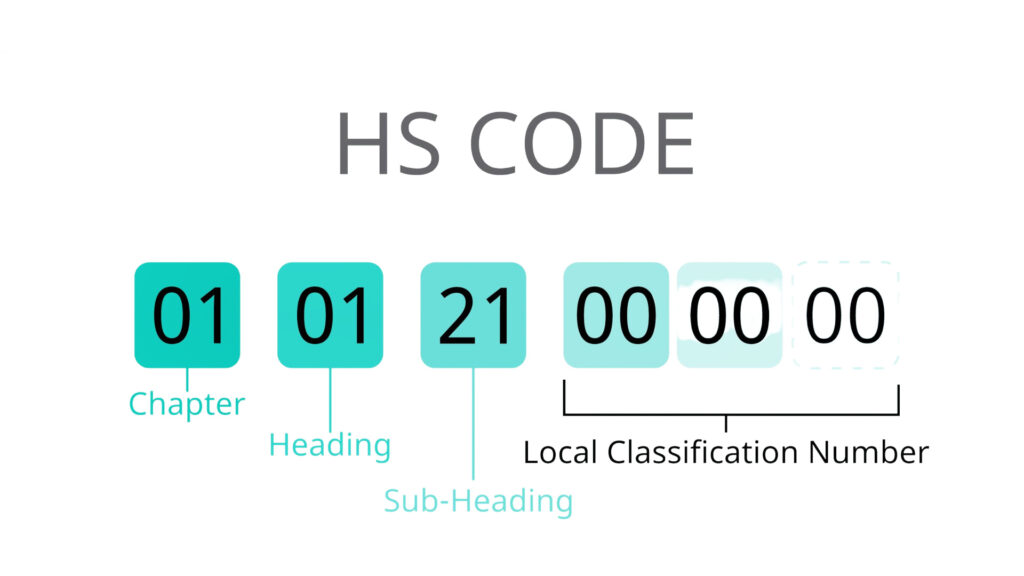
Wrong HS code is a daily headache for exporters at Birgunj. Sometime exporters are confused to choose the exact HS code for their products because of similar codes.
What happens:
- Customs officer re-examines goods
- Shipment goes for physical inspection
- Duty re-assessment
- File moves back and forth
Real-life example:
An exporter declares carpets under a general HS code instead of a specific carpet HS code. Customs questions valuation → delay of 2–3 days.
How to avoid it:
- Always use correct and specific HS code
- Verify HS code before filing
- Maintain a product-wise HS code list
- Don’t copy HS codes from old shipments blindly
Using the right HS code is critical if you want to learn how to avoid customs clearance delays at Birgunj.
3. Poor Coordination with Customs Clearing Agent
Many exporters assume once documents are handed over, the job is done. That’s a mistake.
Daily problem:
- Agent submits file late
- Agent doesn’t follow up with customs
- Exporter not informed about objections
- Transporter arrives before clearance
How to avoid it:
- Choose an experienced Birgunj-based customs agent
- Maintain daily communication
- Ask for file status updates
- Share shipment schedule in advance
A proactive clearing agent can save hours or even days at Birgunj customs.
4. Truck Arrival Before Customs Readiness
Another very common problem is poor timing.
What usually happens:
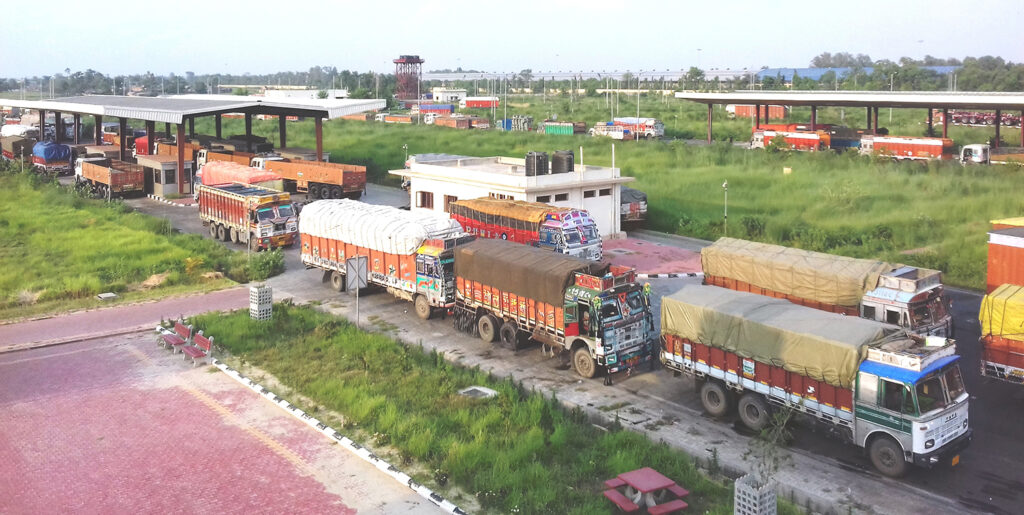
- Truck reaches Birgunj
- Documents not ready
- File not registered
- Parking charges increase daily
How to avoid it:
- Ensure file is registered before truck arrival
- Plan logistics with buffer time
- Avoid peak congestion days
- Align transporter schedule with agent
Correct timing is a hidden but powerful strategy in how to avoid customs clearance delays at Birgunj.
5. Random Physical Inspection by Customs
Sometimes, even with correct documents, shipments are stopped for inspection.
Why inspections happen:
- High-risk goods
- New exporter profile
- Valuation doubts
- Random checks
How to reduce inspection risk:
- Maintain transparent invoicing
- Avoid undervaluation
- Keep exporter profile clean
- Follow past compliance records
While inspections can’t be avoided completely, clean compliance reduces frequency.
6. ASYCUDA System Downtime and Technical Issues
System downtime is a daily reality at Birgunj customs.
Problems faced:
- File submission blocked
- Duty payment delay
- Data mismatch
- Server slow during peak hours
How to manage it:
- Submit files early in the day
- Avoid last-day filing
- Keep hard copies ready
- Maintain buffer in delivery commitments
Smart exporters plan for system delays instead of reacting to them.
7. Lack of Knowledge About Customs Rules
Many exporters face delays simply because they don’t know the rules.
Examples:
- Exporting restricted goods without permit
- Missing certificate of origin
- Wrong valuation method
- Ignoring export notifications
How to avoid it:
- Stay updated with Nepal customs notices
- Understand product-specific rules
- Consult agent before new product export
- Don’t rely on assumptions
Knowledge is your strongest tool in how to avoid customs clearance delays at Birgunj.
8. Poor Packaging and Labeling
Improper packaging often triggers inspections and objections.
Daily issues:
- No labeling
- Unclear product description
- Loose packaging
- Weight mismatch

How to avoid it:
- Properly label every package
- Match packaging with invoice
- Use export-grade packing
- Mention HS code on cartons if possible
Good packaging speeds up clearance and builds trust with customs officials.
9. No Contingency Planning
Many exporters plan everything assuming “no delay will happen” — which is unrealistic.
Best practice:
- Always keep 1–2 days buffer
- Inform buyers about possible border delays
- Use cargo insurance
- Avoid tight delivery promises
Professional exporters plan for delays — amateurs suffer from them.
10. Use Digital Tools and Trade Support Systems
Modern problems need modern solutions.
Helpful tools:
- HS Code Finder
- Freight Calculator
- Duty Estimator
- PAN & company verification tools
Using digital tools reduces errors and helps exporters avoid customs clearance delays at Birgunj effectively.
Conclusion
Customs clearance delays at Birgunj are not just a government problem — they are often caused by avoidable mistakes made by exporters, agents, and logistics partners.
By focusing on:
- Correct documentation
- Accurate HS codes
- Experienced clearing agents
- Proper planning and timing
- Compliance and transparency
you can significantly reduce delays and operate your export business smoothly.
Understanding how to avoid customs clearance delays at Birgunj is not just about speed — it’s about saving money, protecting reputation, and growing your business sustainably.
Q1. Why do shipments get delayed at Birgunj customs?
Ans: Shipments are delayed at Birgunj customs due to incorrect documentation, wrong HS codes, system downtime, inspections, and poor coordination with clearing agents.
Q2. How can exporters avoid customs clearance delays at Birgunj?
Ans: Exporters can avoid delays by preparing accurate documents, using correct HS codes, coordinating with experienced clearing agents, and planning shipments in advance.
Q3. What documents are required for Birgunj customs clearance?
Ans: Common documents include commercial invoice, packing list, customs declaration, certificate of origin, and transport documents.
Q4. Does wrong HS code cause delay at Birgunj?
Ans: Yes, wrong HS code selection is one of the main reasons for inspection, reassessment, and customs clearance delays at Birgunj.