
Introduction: Red Gold Beyond Kashmir
Kashmir has long been synonymous with saffron, often called Red Gold because of its rarity, aroma, medicinal value, and high price. Traditionally grown only in select districts of Jammu & Kashmir—Pulwama, Budgam, Srinagar, and Kishtwar—nearly 86% of India’s saffron comes from the Pampore belt.
But what if the essence of Kashmir could be recreated hundreds of kilometers away?
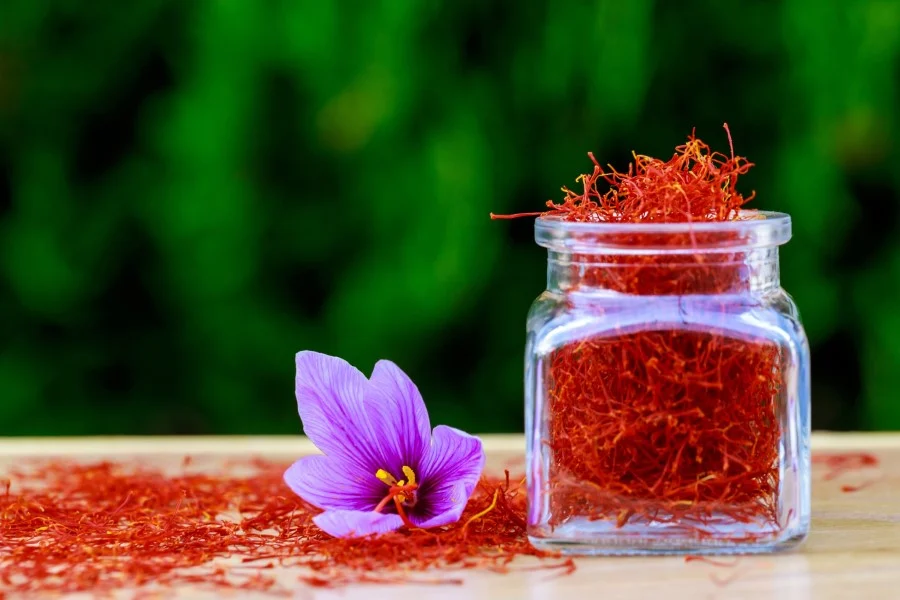
That is exactly what Grow Grower , a Ludhiana-based agri-tech startup called saffron Farming Startup founded by siblings Aastika Narula and Shanker Narula, has achieved—by cultivating premium Kashmiri saffron indoors using advanced aeroponic and climate-control technology.
Why Kashmiri Saffron Is So Valuable
Kashmiri saffron is globally respected for:
- Deep crimson colour
- High crocin content (colour strength)
- Strong aroma (safranal)
- Exceptional medicinal properties
Because of limited production, prices typically range from ₹300–400 per gram, while premium Mongra-grade saffron can fetch ₹1,500+ per gram. In comparison, Iranian saffron dominates the Indian market due to lower prices, though it lacks the same medicinal potency.
The Birth of Grow Grower: A Family-Led Innovation
Grow Grower was officially launched in 2024, but the idea took shape years earlier. The inspiration came from the founders’ father, Mr. Vikas Narula, a banker at Punjab National Bank with a deep interest in agricultural research.
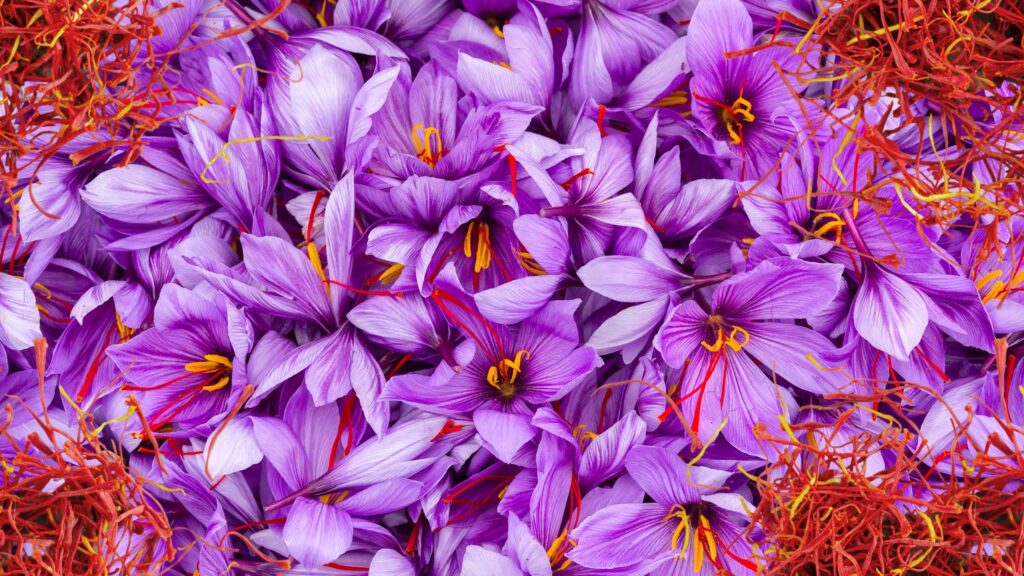
During the COVID period, he explored emerging farming technologies and discovered that indoor saffron farming, though practiced in Iran and Western countries, was almost non-existent in India.
Seeing the massive demand-supply gap—where over 95% of the world’s saffron comes from Iran—the family decided to experiment with growing authentic Kashmiri saffron under controlled indoor conditions.
Meet the Founders
Aastika Narula
- Age: 25
- Education: Political Science, Delhi University (2020)
- Background: UPSC aspirant (2 attempts)
- Additional training: Entrepreneurship and innovation programs (2022–24)
After returning to Ludhiana, Aastika explored multiple ventures before co-founding Grow Grower. She now handles marketing, branding, exports, and international trade strategy.
Shanker Narula
- Age: 23
- Education: BCA, Chandigarh University (2024)
Shanker leads production and technical operations, managing aeroponic systems, climate parameters, seed health, and research. As of 2026, both siblings are also pursuing an online MBA from Chandigarh University.
Initial Investment and Infrastructure
Starting Grow Grower required a significant upfront investment of around ₹55 lakh, funded through personal loans and family support.
Cost breakdown:
- ₹18–20 lakh: Kashmiri saffron corms (seeds)
- ₹5–7 lakh: Civil work and heavy insulation
- Remaining: Vertical racks, trays, LED grow lights, wiring, chillers, and airflow systems
The heavy insulation, though expensive, became a strategic advantage by allowing the farm to retain optimal temperatures for nearly 24 hours during power outages.
Creating “Kashmir” Inside Punjab
Grow Grower operates from a 630 sq. ft. climate-controlled chamber in Ludhiana using a vertical aeroponic farming model.
Key Environmental Controls
- Temperature: 3°C – 27°C
- Humidity: 30% – 80%
- CO₂ levels: 800–1300 ppm
Saffron corms are grown in a soilless environment, placed on multi-tier racks where roots receive nutrient-rich mist, oxygen, and moisture directly from the air.
Training, Research, and Early Challenges
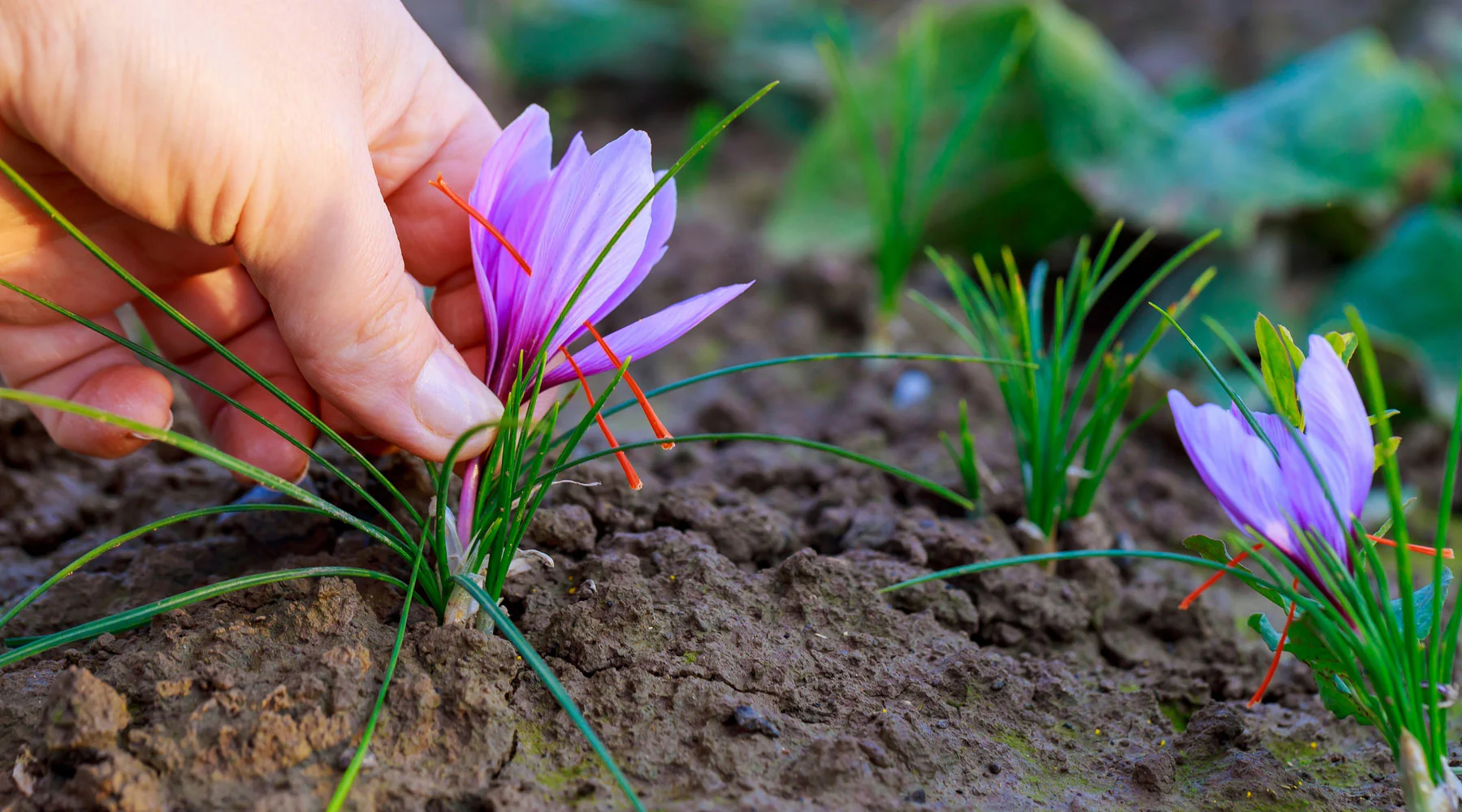
With no farming background, the family invested heavily in knowledge:
- Online training from Dr. Ardalan, an Iranian saffron scientist
- Collaboration with research institutes in Delhi and Gujarat
- Study of academic papers on Google Scholar
- Field visits to traditional saffron farms in Pampore, Kashmir
Major Challenges Faced
- 20% seed loss during transport due to heat damage
- Over-investment in initial civil work
- Yield drop caused by excessive growth of daughter bulbs
These setbacks taught critical lessons in seed handling, pruning, and nutrient management.
Understanding the Saffron Crop Cycle
Contrary to popular belief, saffron is not a 4-month crop.
Grow Grower follows a 12-month cycle:
- August–November: Indoor aeroponic flowering and harvesting
- December–July: Outdoor soil planting for bulb multiplication and weight gain
This year-round commitment is essential for consistent, high-quality yields.
Revenue and Performance
2024–25 Season
- Production: ~1.3 kg
- Export markets: Australia and Canada
- Selling price: ₹1,300–₹1,650 per gram
- Revenue: ~₹17 lakh
2025–26 Season (Ongoing)
- Domestic sales: ~500 grams @ ₹1,800 per gram
- Revenue so far: ~₹9 lakh
- Additional income:
- Consultancy & farm visits (₹2,400 per person)
Expected total revenue by season-end: ₹17 lakh
Business Model and Target Markets
Grow Grower follows a B2B + B2C hybrid model.
Distribution Split
- 85% exports (bulk international orders)
- 15% domestic premium buyers
Target Segments
- High-end culinary professionals
- Pharmaceutical companies
- Health-conscious Indian consumers
Vision for the Future
Grow Grower aims to:
- Make medicinal-grade Kashmiri saffron accessible in India
- Build a nationwide partner network to aggregate larger yields
- Fulfill bulk international orders of 8–15 kg
- Achieve self-sufficiency in seed production
Their long-term mission is to reduce India’s dependence on imported saffron while maintaining authenticity and quality.
Final Thoughts
Grow Grower’s journey proves that technology, research, and persistence can redefine traditional agriculture and boost up for saffron farming startup that can obtain get the best learning. By blending scientific precision with entrepreneurial vision, the Narula family has shown that even the world’s most delicate crops can thrive beyond their native soil—if grown with knowledge and care.
Indoor saffron farming may still be niche in India, but stories like Grow Grower signal a powerful shift toward high-value, tech-driven agriculture.
Q1. What makes Kashmiri saffron so valuable?
Kashmiri saffron is prized for its deep crimson color, high crocin content, strong aroma, and medicinal properties. Limited production also drives premium pricing.
Q2: Can saffron be grown outside Kashmir?
Yes, with controlled indoor farming techniques like aeroponics, climate control, and year-round crop management, saffron can be successfully grown outside Kashmir.
Q3: How much investment is needed for an indoor saffron startup?
Initial investments can vary, but Grow Grower started with around ₹55 lakh, covering seeds, infrastructure, climate control, and vertical farming equipment.
Q4: What is the crop cycle for indoor saffron farming?
Indoor saffron requires a 12-month cycle: 4 months of indoor flowering and 8 months of outdoor soil management for bulb multiplication and weight gain.
Q5: Who are the ideal customers for saffron startups?
High-end chefs, food industries, pharmaceutical companies, and health-conscious consumers willing to pay for premium, medicinal-grade saffron.
Q6: What challenges should beginners expect in saffron farming?
Key challenges include seed mortality during transport, precise climate management, proper pruning, and balancing indoor and outdoor cultivation phases.
Q7: Can saffron farming be profitable?
Yes, premium saffron can yield high returns, especially when targeting export markets and premium domestic customers. Grow Grower generated around ₹17 lakh in a season from 1.3 kg of saffron.