
Introduction
Export business is one of the fastest-growing opportunities in Nepal. From carpets to pashmina, handicrafts to herbal products, decorative items to edible food items, Nepali goods are in demand worldwide.
Many new entrepreneurs want to start exporting but don’t know the process, documents, customs clearance rules, and how to find buyers.
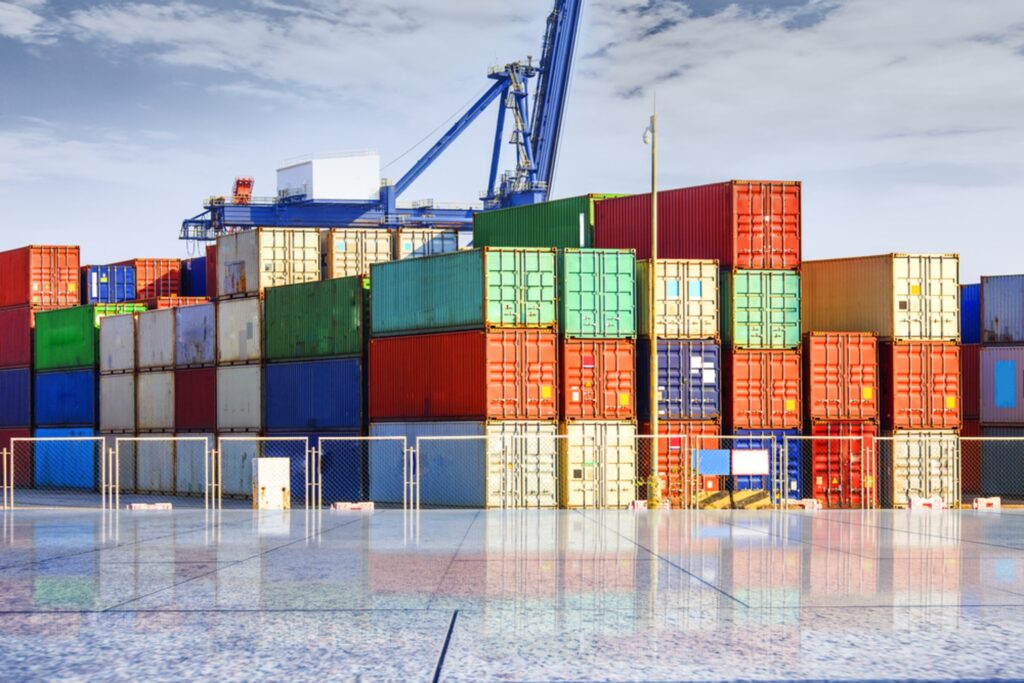
This complete guide explains every step, from choosing a product to shipping, documentation, payment, customs, and scaling your export business.
Whether you’re a beginner or already trading domestically, this step-by-step process will help you confidently start your export business from Nepal.
Step 1: Choose the Right Product for Export
Selecting the right product is the foundation of a successful export business.
Characteristics of a good export product:
- High international demand
- Competitive pricing
- Lightweight (reduces shipping cost)
- Low risk of damage
- Easily available in Nepal
- No major restrictions
Most profitable export products from Nepal:
| Textile & Wool | Carpets, pashmina, handmade garments |
| Herbal | Green tea, herbs, essential oils |
| Agriculture | Cardamom, ginger, honey |
| Handmade | Jewelry, handmade paper, bags |
Choose a product where you have:
- Access to suppliers
- Low competition
- High demand

Step 2: Register Your Business Legally
To start exporting from Nepal, you must register your business.
Business Types
- Proprietorship
- Partnership
- Private Limited Company
Documents Required
- Citizenship copy
- Address proof
- Passport-size photo
- PAN / VAT registration
- Office address details
Benefits of Registration
- Open business bank account
- Apply for EXIM Code
- Access export subsidy programs
- Issue tax invoices
Step 3: Apply for EXIM Code (Mandatory)
EXIM Code (Export Import Code) is compulsory for exporting.
Where to Apply:
- Department of Customs
- Online EXIM Portal
Documents Required:
- Company registration
- PAN / VAT certificate
- Citizenship / Passport
- Bank details
Processing Time: 2–7 days
Validity: Lifetime
Step 4: Find International Buyers
Online B2B Platforms
- Alibaba
- IndiaMART
- TradeIndia
- Etsy
- ExportersIndia
Social Media
- LinkedIn (Best for B2B)
- Facebook Groups
- YouTube
Offline Methods
- Trade fairs
- Chamber of Commerce
- Buyer-Seller meets
- Freight forwarder networks
Tips:
- Professional catalogue
- High-quality images
- Clear MOQ & pricing
- Offer samples
- Fast communication
Step 5: Prepare Mandatory Export Documents
| Document | Purpose |
|---|---|
| Commercial Invoice | Billing |
| Packing List | Weight & quantity |
| Certificate of Origin | Proof of Nepali origin |
| Proforma Invoice / PO | Buyer confirmation |
| EXIM Code | Export authorization |
| Customs Declaration | Border clearance |
| Bill of Lading / Airway Bill | Transport |
| Insurance Certificate | Risk protection |
| HS Code | Product classification |
Additional (if required):
- Fumigation Certificate
- Phytosanitary Certificate
- Quality Certificate
Step 6: Packaging, Labelling & Quality Control
Packaging must show:
- Gross & Net weight
- Product description
- HS Code
- Buyer details
- “Made in Nepal”
- Fragile label
Quality checklist:
- Correct quantity
- Moisture protection
- Proper sealing
- Packing photos
Step 7: Choose Shipping Method
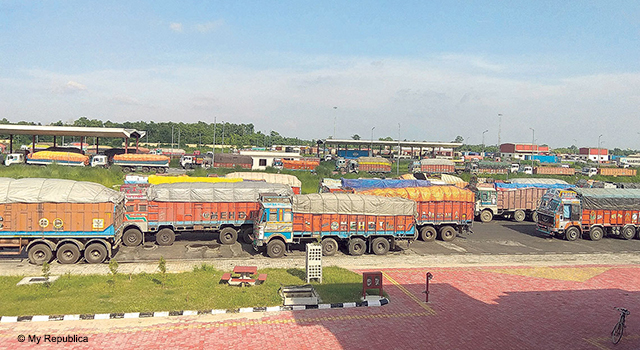
1. Road Export (Via Birgunj–Raxaul)
Best for carpets, garments, handicrafts.
Ports: Kolkata, Haldia, Vizag
2. Air Cargo
Best for pashmina, jewelry, essential oils.
Fast but costly.
3. Sea Cargo (Via Indian Ports)
Best for bulk and heavy cargo.
Lowest cost.
Step 8: Customs Clearance Process
At Nepal Customs (Birgunj):
- Submit documents
- Physical inspection
- Truck/container sealing
- HS code verification
- Clearance approval
You can hire a Customs Clearing Agent (CHA).
Step 9: Safe Payment Methods
Best options:
- Advance Payment
- Letter of Credit (LC)
- Bank TT Transfer
- PayPal (small orders)
Avoid:
- Cash on delivery
- Western Union
- Unsecured credit
Step 10: Cost & Profit Calculation
Cost Includes:
- Raw material
- Manufacturing
- Labour
- Packing
- Freight
- Customs
- Bank charges
- Marketing
Profit = Selling Price – Total Cost
Average margin: 20%–45%
Step 11: Reliable Business Partners
- Freight Forwarder
- Customs Agent
- Transport Company
- Export Bank
- Insurance Company
Step 12: Scale Your Export Business
- Enter new markets
- Add new products
- Improve branding
- Reduce cost in bulk
- Hire team
- Build inventory system
FAQs
How much money is required to start export business from Nepal?
You can start small with Rs. 50,000 to Rs. 2,00,000 if exporting handicrafts or light items.
Is EXIM Code mandatory to start export business from Nepal?
Yes, EXIM Code is compulsory. Without it, you cannot legally export goods from Nepal or clear customs.
Which documents are required for exporting goods from Nepal?
Main documents include Commercial Invoice, Packing List, Certificate of Origin, EXIM Code, HS Code, Customs Declaration, and Transport Documents.
Which is the best shipping route for export from Nepal?
Most exporters use road transport via Birgunj–Raxaul to Indian ports like Kolkata and Haldia, which is economical and fast.
How can I find international buyers for Nepali products?
You can find buyers through B2B platforms like Alibaba, TradeIndia, LinkedIn, international trade fairs, and exporter networks.


Pingback: EXW Vs DDP: Key Differences, Cost, Risk & Responsibilities (2026 Guide) -