
Nepal is a landlocked country and depends heavily on imports for industrial raw materials, machinery, electronics, vehicles, medicines, and daily consumer products. Every year, thousands of Nepalese traders import goods mainly from India and also from third countries like China, UAE, Japan, Korea, USA, and European nations.
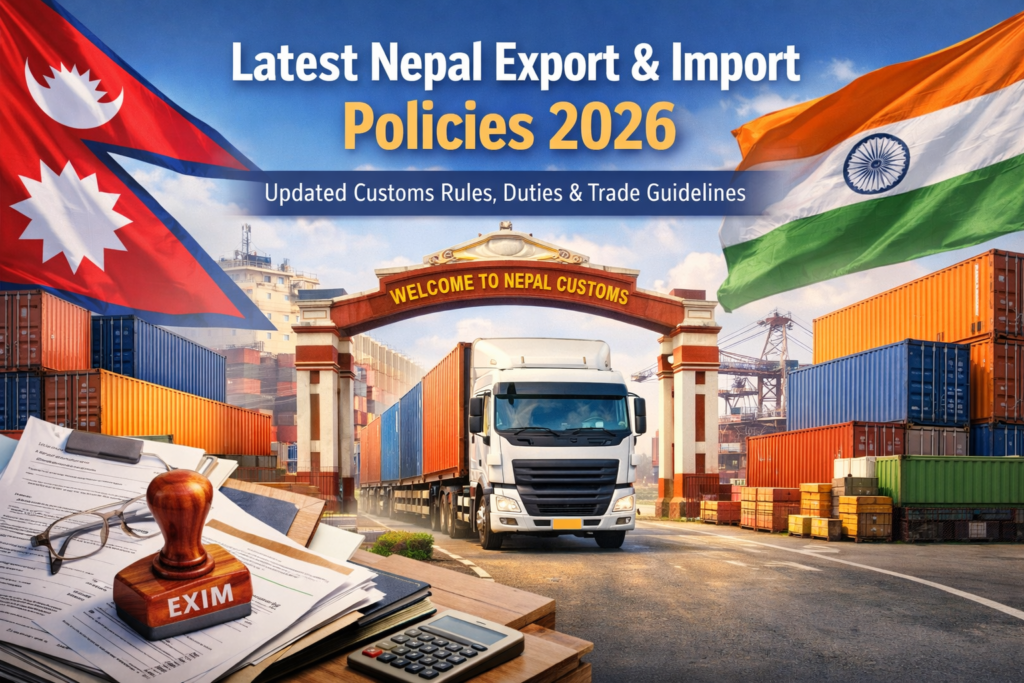
If you are a beginner importer or a business owner, understanding the Nepal import procedure 2026 is extremely important. A small mistake in banking documents, customs entry points, or LC terms can cause huge delays, demurrage charges, penalties, and financial loss.
In this detailed guide, we will explain the complete Nepal import procedure 2026, including imports from India, third country purchases, LC opening process, NRB rules, customs clearance documents, duty insurance system, and major import permits.
Quick Overview Table: Nepal Import Procedure 2026
| Import Type | Common Payment Method | Main Requirement | Customs Route |
| Import from India | INR (Indian Rupees) | Excise duty included | Birgunj, Bhairahawa, Nepalgunj |
| Import from India (Special Items) | Foreign Currency | NRB approved list (29 products) | Border customs points |
| Import from Third Countries | USD via L/C | BBN3 + bank documentation | Calcutta/Haldia + Indian border |
| Import via Air | USD via L/C | CIF Kathmandu | TIA Customs |
1. Purchasing Procedure for Import from India
India is Nepal’s largest trade partner. Most Nepalese traders prefer to import from India because transportation is cheaper, delivery is faster, and banking procedures are simpler compared to third-country imports.
1.1 Payment System for Imports from India
In most cases, imports from India are paid in Indian Rupees (INR).
The reason is simple: INR is fully convertible in Nepal, and Nepalese banks easily allow INR transactions. This is why trade between Nepal and India remains very smooth.
Benefits of Paying in INR
- Faster settlement
- Less documentation compared to foreign currency
- Easy banking support
- Convenient for small traders
1.2 Indian Excise Duty in Nepal-India Trade
When Indian suppliers sell goods to Nepalese importers, Indian suppliers must include Indian excise duty in the sale price.The excise duty rate varies widely depending on the product type. For example:
- Excise duty is higher on alcohol and tobacco products
- Excise duty may differ on industrial goods, chemicals, and consumer products
So, if you import from India using INR payment, the excise duty becomes part of the final cost.
1.3 Major Advantage: Paying in Hard Currency Removes Excise Duty
This is one of the most important points in the Nepal import procedure 2026. If the Nepalese importer pays the Indian supplier using hard currency (like USD), then the goods are exempted from Indian excise duty. This means the Indian supplier does not need to charge excise duty.
Why This is Useful?
- Import cost becomes cheaper
- Large industries can reduce raw material cost
- Competitive advantage in Nepal market
This is why many Nepalese industries prefer foreign currency payment when importing certain high-value goods from India.
1.4 NRB Approved List: 29 Products Allowed for Foreign Currency Import from India
The Government of Nepal allows imports of specific goods from India through foreign currency payment. Nepal Rastra Bank (NRB) currently enlists 29 products which Nepalese industries can import from India against foreign currency payment.

This policy exists to support industries that require special raw materials, equipment, or industrial supplies.
If you are importing these items, always confirm the latest NRB directive from your bank because NRB updates the list from time to time.
2. Purchasing Procedure for Import from Third Countries
Imports from third countries follow a more formal system because Nepal must manage foreign currency reserves carefully. That is why Nepal Rastra Bank controls import payments through banks. All 13 commercial banks in Nepal are authorized to handle foreign exchange transactions according to:
- Foreign Exchange (Regulation) Act 1962
- Foreign Exchange (Regulation) Rules 1963
- NRB directives
2.1 Import License Requirement in Nepal
Does Nepal Require an Import License?
No license is required for normal imports. License is required only for prohibited and restricted goods. This makes the Nepal import procedure 2026 much easier compared to many other countries.
2.2 Advance Payment is Not Allowed
NRB does not allow advance payment for goods in normal trade imports. Also, separate payments for freight are not allowed. Because of this rule, most third-country purchases are made on:
- CIF / C&F Calcutta (for sea cargo)
- CIF / C&F Kathmandu (for air cargo)
This system ensures proper valuation and reduces the risk of illegal currency outflow.
3. Letter of Credit (L/C) Opening Process in Nepal
To import from third countries, Nepalese importers usually must open a Letter of Credit (L/C) through an authorized bank. This is one of the most important steps in the Nepal import procedure 2026. A Letter of Credit is a bank guarantee that ensures the exporter will receive payment once shipment documents are submitted correctly.
3.1 Step-by-Step Procedure to Open L/C in Nepal
Step 1: Open Bank Account
The importer must first open a bank account with a commercial bank. There are various banks available in Nepal Like Nabil Bank Ltd, Sidhartha Bank Ltd, NIC Asia, Citizens Bank and many others.
Step 2: Bank Sets Credit Limit
Most banks sanction an annual credit limit for importers under different headings like:
- Loan
- Overdraft
- L/C limit
Step 3: Fill BBN 3 Form
The importer fills the foreign exchange control form called: BBN 3 Form This form requests the bank to open an L/C in favor of the overseas exporter.
Step 4: Submit Required Documents
The importer submits supporting documents such as:
- Pro-forma Invoice
- Importer registration certificate (Commerce/Industry/Company Registrar)
- PAN certificate
- VAT registration certificate
- Income tax registration certificate
- Bank undertaking letter
For raw wool imports, the importer must also submit recommendation letters from CWDB (Carpet and Wool Development Board).
Step 5: Deposit Margin (10% to 100%)
Depending on the importer’s history and bank relationship, margin deposit can range from 10% to 100% of the L/C value.
Step 6: Bank Issues L/C
The Nepalese bank contacts its correspondent bank abroad and issues the L/C. Most L/Cs follow international standard rules such as:
- ICC Uniform Customs and Practice (UCP)
4. Types of Letter of Credit Used in Nepal
There are mainly two L/C types in Nepal.
4.1 Sight L/C
The sight LC outlines specific criteria for the release of funds. This can involve procedural requests such as timely delivery and appropriate documentation including proof of shipping and other bills. Based on the successful completion of the requirements, the amount is payable to the beneficiary. The bank is given a certain period to complete the payment, usually five to ten working days.
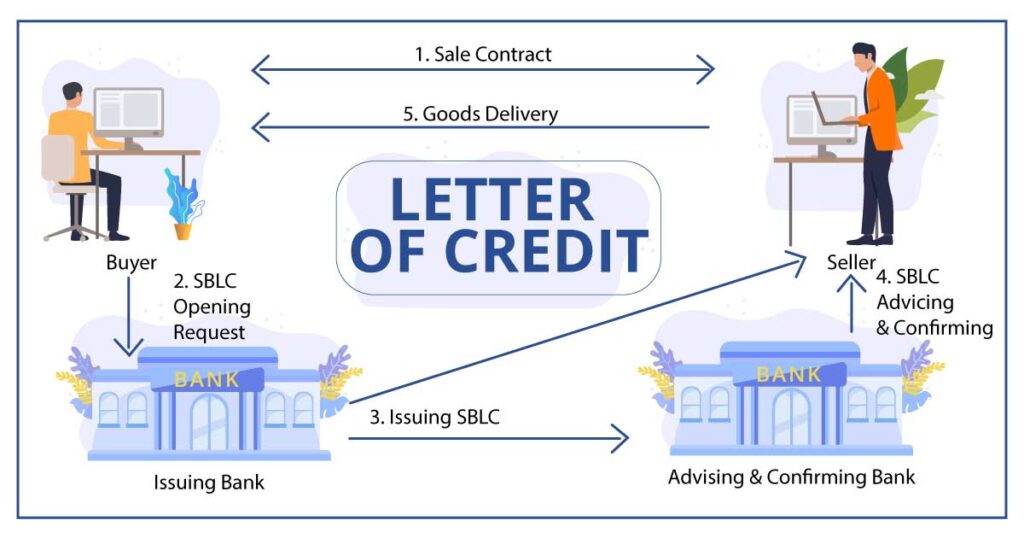
- Exporter receives payment immediately after submitting shipment documents
- Importer must pay immediately to release documents
This is the most common L/C used in Nepal.
4.2 Usance (Time) L/C
A usance letter of credit (usance LC) is a trade finance instrument with which trade payments can be made after a specified credit period, such as 30, 60, or 90 days. In other words, it provides buyers with a credit timeline while ensuring sellers are guaranteed payment from a bank.
- Payment is deferred for a specific time period like 30/60/90 days
- Exporter receives payment after that period
This L/C is useful for importers who need time to sell goods before paying.
5. Customs Entry Point Rule in L/C
While opening an L/C, the importer must mention the customs entry point in Nepal such as:
- Birgunj Customs
- Bhairahawa Customs
- Nepalgunj Customs
- Tribhuvan International Airport Customs
6. Import Permits and Inspection Requirements in Nepal
Nepal does not require import permits for normal goods, but some categories need permits and inspection certificates.
6.1 Plant and Plant Product Import Permit
Under Plant Protection Act 1972 and Plant Protection Rules 1975, import permits are required for:
- Fruits
- Leaves
- Seeds
- Raw plant products
However, permits are not required for:
- Processed food
- Packed/tinned food
- Dried fruits/vegetables
- Cocoa, tea, tobacco
Import Permit Fee
- NPR 10 per application
- Treatment charges may apply (fumigation, seed treatment)N
6.2 Quality Certificates for Special Imports
Some imports require certificates such as:
- Wool quality test certificate
- Smoke emission certificates for old vehicles
- Pharmaceutical certificates
- Chemical safety certificates
These documents are needed during customs clearance.
7. Sea Cargo Import Procedure via Calcutta/Haldia Port
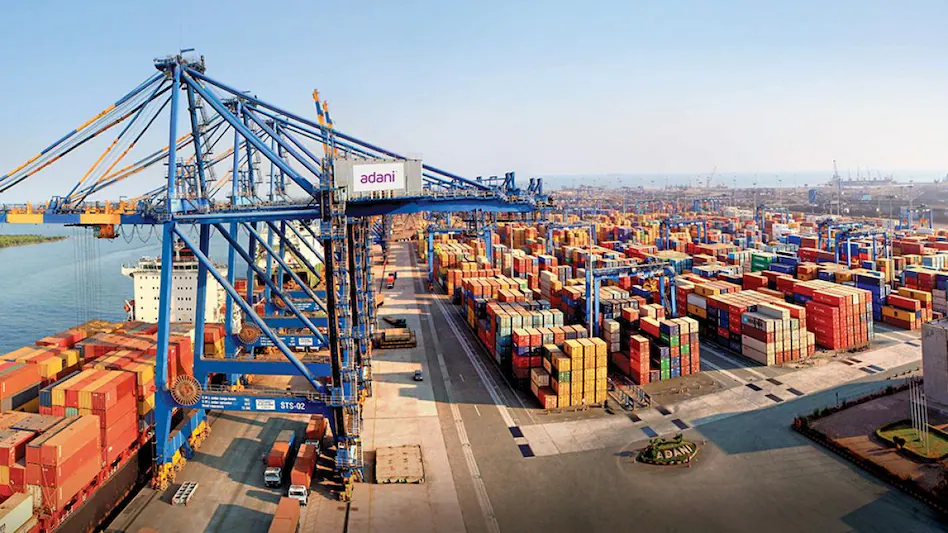
Most Nepal imports by sea arrive at:
- Calcutta Port
- Haldia Port
These ports are controlled by Calcutta Port Trust (CPT).
Nepal imports via India under the Treaty of Transit, which defines:
- Transit routes
- Border entry points
- Customs processing rules
- Duty insurance system
8. Duty Insurance System (Very Important in Nepal Import Procedure 2026)
Duty insurance is required to protect Indian customs duty risk in case goods are lost or stolen during transit.
9. Border Procedures in India
When goods reached at indian boarder custom, there are certain docments need to submitt for verification.
- Customs verifies CTD documents
- Customs checks seals/locks on containers
- If seals are intact, cargo passes without inspection
- If seals are broken, goods may be inspected
After verification, Indian customs endorses documents and allows cargo to enter Nepal.
10. Customs Clearance Procedure in Nepal
After goods enter Nepal, importers must submit documents at Nepal Customs such as:
- Nepal Customs Declaration Form
- Bill of Lading / Airway Bill
- Invoice
- Packing list
- Certificate of origin (if needed)
- Insurance certificate
- Original CTD
- BBN 4 form issued by bank
- PAN/VAT registration
- Certified copy of L/C
Customs Duty Calculation
Nepal Customs values goods based on transaction price. If under-invoicing is detected:
- up to 20% under-invoice → duty adjusted
- 20% to 50% → duty + penalty
- above 50% → customs may take strict action
This is why proper invoice and valuation is essential.
Common Problems Importers Face in Nepal (Real-Life Issues)
Many importers in Nepal face these common problems:
✅ Delay in L/C Approval
Banks may delay LC approval if documents are incomplete.
✅ Wrong HS Code
Wrong HS code leads to higher duty or customs disputes.
✅ Under-invoicing Penalties
Customs may suspect undervaluation and apply penalties.
✅ Demurrage at Calcutta Port
If clearance is delayed, port charges increase heavily.
✅ Seal Damage During Transit
If seal is broken, cargo inspection delays clearance.
How to Avoid Import Delays in Nepal (Practical Tips)
To avoid delays in the Nepal import procedure 2026, follow these tips:
✅ Always verify supplier invoice and packing list
✅ Confirm HS code before shipment
✅ Ensure L/C terms match shipment conditions
✅ Use reliable clearing agents in Calcutta and border
✅ Keep PAN, VAT, and business registration renewed
✅ Track cargo movement from port to border
✅ Avoid wrong customs entry point in L/C
These steps can save time, money, and reduce risk.
Conclusion: Nepal Import Procedure 2026 Made Simple
The Nepal import procedure 2026 is based on proper banking control, customs documentation, and transit treaty systems. Imports from India are easier due to INR settlement, but imports from third countries require L/C processing through commercial banks under NRB rules.
If you are serious about import business in Nepal, you must understand:
- INR vs hard currency payments
- NRB directives
- L/C opening steps (BBN 3 and BBN 4)
- Customs valuation rules
- Duty insurance and transit procedures
With the right documentation and planning, you can clear goods smoothly and avoid unnecessary delays.
FAQs :
1. What is the Nepal import procedure 2026?
The Nepal import procedure 2026 includes purchasing rules, payment through INR or L/C, NRB approval, customs clearance documents, and duty tax payment at Nepal customs.
2. Can Nepal importers pay Indian suppliers in INR?
Yes, Nepalese importers normally pay Indian suppliers in Indian Rupees because INR is fully convertible in Nepal.
3. What is BBN 3 form in Nepal import process?
BBN 3 is a foreign exchange control form submitted to banks for opening a Letter of Credit (L/C) for importing goods.
4. Is import license required in Nepal?
No, import license is not required for normal goods. Only restricted or prohibited items need special permission.
5. What is the difference between Sight L/C and Usance L/C?
Sight L/C means immediate payment after shipment documents submission, while Usance L/C means payment is deferred for 30/60/90 days.
6. Which port is used for Nepal sea imports?
Most Nepal sea imports arrive at Calcutta Port or Haldia Port in India.
7. What is duty insurance in Nepal import procedure?
Duty insurance is a policy required under the Treaty of Transit to cover Indian customs duty risk if goods are lost or stolen during transit.
8. What documents are required for Nepal customs clearance?
Invoice, packing list, bill of lading, CTD, BBN4, PAN/VAT certificates, insurance certificate, and customs declaration form are required.


Pingback: HS Code: What It Is & How To Find Correct HS Code (2026 Guide) -