
Introduction: Why Sandalwood Is Called India’s Royal Tree
Indian sandalwood, popularly known as Chandan, is more than just a fragrant tree. It is deeply connected to India’s culture, Ayurveda, spiritual rituals, and luxury industries. From ancient temples to global perfume brands, sandalwood has been valued for centuries. From this Sandal Pure Startup Story , you can understand real opportunities that never stop any to achieve.
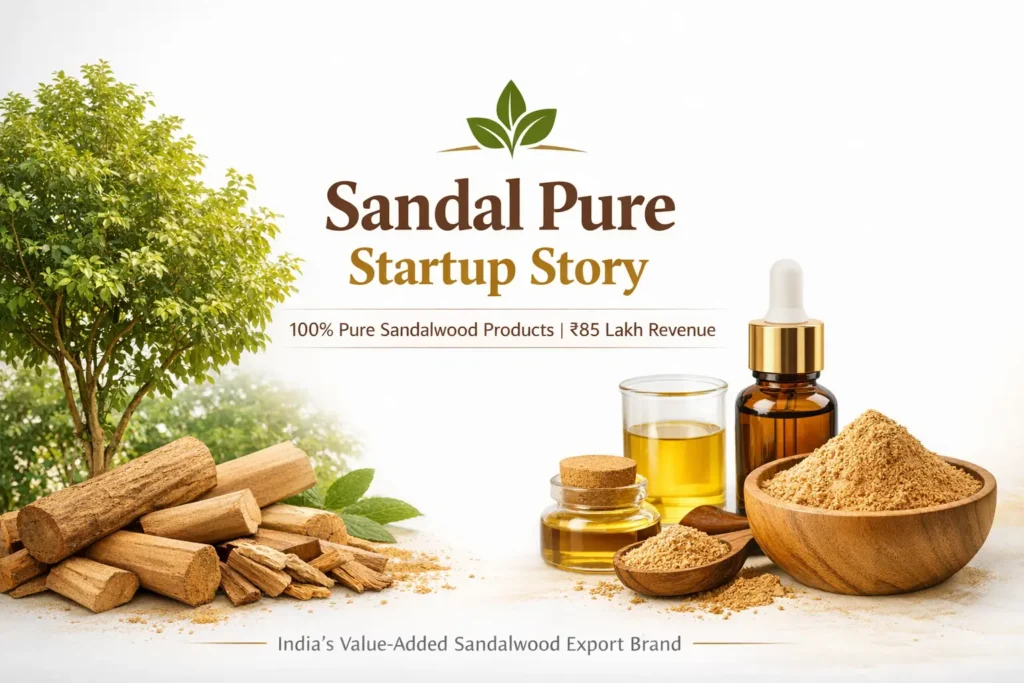
Even today, sandalwood remains one of the most expensive natural products in the world. Its aroma, oil, and medicinal value make it highly demanded in international markets—especially in the United States. However, while demand is high, sandalwood farming in India has faced major problems such as lack of technical knowledge, poor quality saplings, and fear of theft.
What Makes Indian Sandalwood More Valuable Than Other Varieties?
Indian sandalwood (Santalum album) is considered superior compared to Australian and Hawaiian sandalwood varieties because of its high alpha-santalol content.
Alpha-Santalol: The Secret Behind Premium Fragrance
Alpha-santalol is the compound responsible for sandalwood’s deep, long-lasting fragrance. This is why Indian sandalwood is widely preferred in:
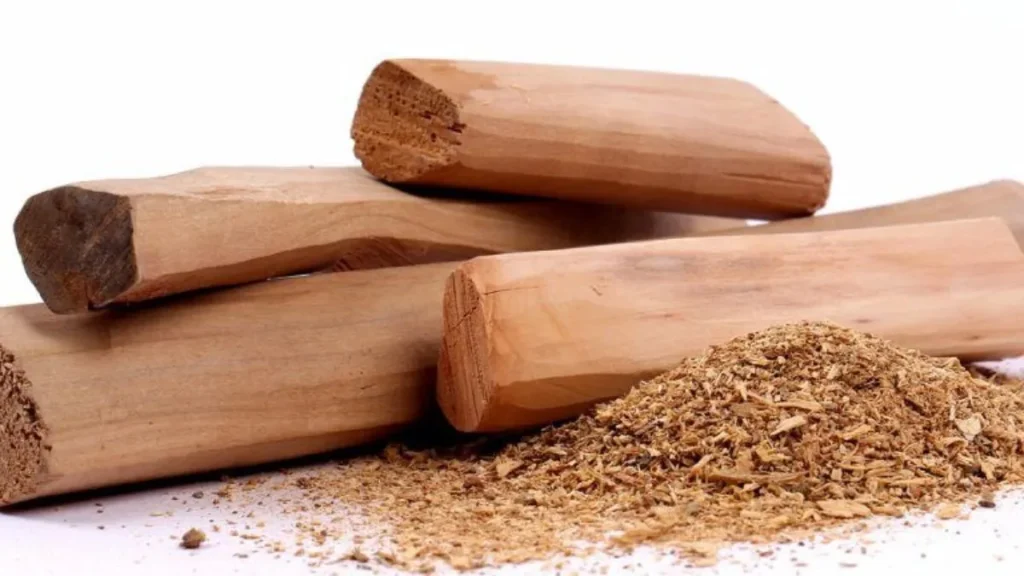
- luxury perfumes
- skincare products
- essential oils
- incense sticks
- aromatherapy industries
Why Indian Sandalwood Has High Demand in the USA ?
In the USA, consumers are increasingly shifting toward natural wellness products. Sandalwood oil is popular in:
- Premium fragrance brands
- Organic skincare companies
- Aromatherapy and spa products
- Ayurveda-inspired wellness products
This makes Indian sandalwood a strong export opportunity.
Sandalwood Price in India vs International Market.
Sandalwood is not just a cultural product—it is also a high-value commodity.
Current Price of Indian Sandalwood
- Sandalwood wood price in India: ₹16,500 per kg
- Sandalwood oil price in India: ₹1.5 lakh per kg
International Market Price
In international export markets, sandalwood prices are usually 15% to 20% higher than the Indian domestic market. This premium pricing is the reason why sandalwood is often considered a “golden crop” for long-term farming.
The Biggest Problem: Why Most Sandalwood Farmers Fail.
Even though sandalwood is highly profitable, many farmers fail because sandalwood is not a normal tree.Sandalwood is a hemi-parasitic tree, meaning it requires host plants to survive and grow properly. It cannot grow in isolation.
However, farmers often plant sandalwood incorrectly by:
- Planting too close (6–8 feet spacing)
- Kkipping host plants
- Using poor quality saplings
- Not monitoring plantations scientifically
These mistakes lead to stunted growth and plantation failure after years of waiting.P
The Birth of Sandal Pure: A Startup Built on Science and Soil
The critical gap between sandalwood’s scientific potential and the reality of farming led Dr. Umesh Kabade to take action.During farm visits, he saw farmers losing years of investment due to lack of proper knowledge.
He explains:“Plantations were failing because the basics were ignored. Farmers planted at the wrong spacing, used poor quality seeds, and forgot essential host plants.”
This realization became the foundation of Sandal Pure.
The mission was clear:
revive Indian sandalwood farming and create a reliable sandalwood product supply chain.
Meet the Founders of Sandal Pure:
Sandal Pure was co-founded by two key individuals with complementary strengths.
1.Dr. Umesh Kabade: Biotechnologist Turned Agripreneur
Dr. Umesh Kabade was born in Bubnal village, Kolhapur district of Maharashtra. His journey from a small village to becoming a biotechnology scientist shaped his vision of using science for agriculture.

His education includes:
- B.Sc. Chemistry (Rajaram College, Kolhapur)
- M.Sc. Biotechnology (IWST, Bangalore)
- PhD in Biotechnology (IWST, Bangalore)
He has more than 20 years of experience in biotechnology research, tissue culture, and plantation science.
Before building Sandal Pure, he worked as:
- scientist at Florence Flora, Bengaluru
- Head of Tissue Culture at Abellon Clean Energy, Ahmedabad
Despite his scientific background, his love for agriculture remained strong.
“My roots are deeply embedded in the soil. I wanted to use my education to give back to the farming community.”
2. Nitin Patel: President of Sandalwood Grower Association of India
Nitin Patel, co-founder of Sandal Pure, is also the President of the Sandalwood Grower Association of India. Since 2014, he has guided farmers through seminars and educational videos, helping farmers not only in India but also across 14 other countries.

He joined hands with Dr. Kabade after realizing farmers needed scientific support, not just motivation.
Why They Started Sandal Pure?
The founders started Sandal Pure after noticing three major issues:
1. Wrong Plantation Methods.
Farmers were doing random planting without spacing rules or host plants.
2. Poor Quality Saplings in the Market.
Nurseries were selling saplings of unknown origin, leading to weak heartwood formation and poor oil yield.
3. Fear of Theft and Poaching.
Farmers were scared to grow sandalwood because it is expensive and theft risk is high.
To solve this, Sandal Pure promoted a secure block plantation model with multi-level safety planning.
Initial Investment and Early Journey.
The founders started their journey in 2015–16 by distributing high-quality sandalwood saplings at only ₹40 per plant. This price was intentionally kept low to encourage farmers, as the market rate was between ₹60 to ₹250 per sapling. The saplings were sourced from the Marayoor forests of Kerala, known for strong sandalwood genetics. Between 2015 and 2025, Sandal Pure distributed over 2 lakh saplings per year. Because sandalwood takes around 15–20 years to mature, the founders expect their farmer network’s harvest cycle to begin around 2036.
They often explain to farmers:
“Sandalwood is a 20-year commitment. Think of it like a fixed deposit. Use intercropping for short-term income.”
Launching Sandal Pure Brand in 2024
In 2024, Sandal Pure expanded into processing and manufacturing value-added products.Instead of waiting for their own plantations to mature, they procured sandalwood from farmers who had planted sandalwood nearly 20 years ago.
To build infrastructure such as labs and processing units, the founders invested around ₹65 lakh, entirely from their savings.This allowed them to launch the Sandal Pure brand and enter the consumer market.
Sandal Pure Business Model Explained
Sandal Pure operates with a vertically integrated business model.
Low Cost Sapling Distribution
They provide farmers with quality saplings at ₹40 per plant.
Free End-to-End Consultancy
They guide farmers on:
- Soil selection
- Host plant management
- Spacing and irrigation
- Plantation monitoring
Buy-Back Guarantee
Sandal Pure assures farmers that mature heartwood will be purchased through a transparent procurement process.Farmers can earn premium rates, and wood is tested scientifically for oil content and heartwood quality.
In-House Processing for Purity
Sandal Pure processes everything internally, including:
- Chipping
- Distillation
- Powdering
- Packaging
This helps prevent adulteration and ensures 100% purity.
Sandal Pure Products: Value-Added Sandalwood Items
Sandal Pure offers a wide range of products, including:
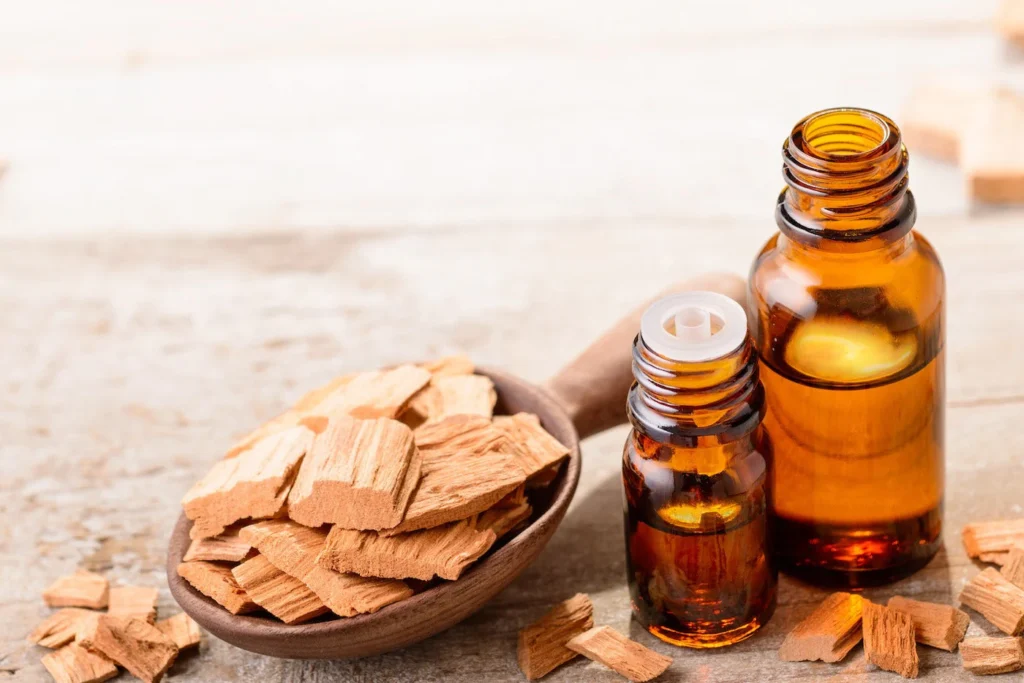
- pure sandalwood oil
- sandalwood powder
- incense sticks
- perfumes
- soaps
- skincare products
Some skincare formulations are currently being tested for skin-related conditions like eczema and psoriasis.
Their key brand promise is simple:
100% pure sandalwood, ethically sourced and directly processed.
How Sandal Pure Sells Products (Distribution Channels)?
Sandal Pure uses two strong distribution channels.
1. E-commerce and Online Platforms
They sell products through:
- Their official website
- Amazon
- Myntra
- Other e-commerce platforms
2. Farmer Partner Network
Farmers are encouraged to resell products in their local markets and earn around 20% profit margin, turning them into micro-entrepreneurs.
This model strengthens rural income and builds trust-based marketing.
How Sandal Pure Earned ₹85 Lakhs in the First Year ?
After launching its value-added product line, Sandal Pure achieved strong sales performance. In its first year, the startup generated approximately: ₹85 lakhs in revenue
The final net profit report is expected at the end of March 2026.This success proves that global consumers are willing to pay premium prices when sandalwood purity is guaranteed.
Government Support: Union Budget 2026 Sandalwood Scheme
A major milestone for the industry came when Union Budget 2026 announced a new scheme to restore the Indian sandalwood ecosystem. The government’s focus on cultivation and post-harvest processing validates Sandal Pure’s integrated approach. While policies are still under drafting, Sandal Pure has already built much of the infrastructure needed for this ecosystem.
Future Plans of Sandal Pure
Sandal Pure is now preparing for large-scale expansion.
Scaling After 2028 Harvest Cycle
Plantations established in 2016 are expected to mature between 2028 and 2030. Once harvesting begins, raw material scarcity will reduce, enabling faster growth.
Vision of a National Germplasm Bank
Dr. Kabade aims to build a National Germplasm Bank to preserve India’s best sandalwood genetic material. This will help:
- protect high-quality sandalwood species
- improve future plantation success
- strengthen India’s global sandalwood dominance
Conclusion: Sandal Pure as India’s Next Big Export Brand
Sandal Pure is not just a sandalwood brand—it is a mission-driven agribusiness startup solving one of India’s biggest agricultural gaps.By combining biotechnology, farmer education, secure plantation systems, and value-added manufacturing, Sandal Pure Startup Story ,Sandal Pure is building a complete sandalwood ecosystem.With strong demand in the USA and global wellness markets, the startup has huge export potential.As India works to regain its dominance in sandalwood production, Sandal Pure is already leading the way—turning farmers into partners and pure sandalwood into a premium global product.
FAQs About Sandal Pure and Sandalwood Business
1.What is Sandal Pure?
Sandal Pure is an Indian startup that manufactures 100% pure sandalwood products while also helping farmers grow sandalwood scientifically.
2.Who founded Sandal Pure?
Sandal Pure was founded by Dr. Umesh Kabade and Nitin Patel.
3.Why is Indian sandalwood more expensive?
Indian sandalwood contains higher alpha-santalol, giving it premium fragrance and better oil quality.
4.How long does sandalwood take to mature?
Sandalwood generally takes 15 to 20 years to develop valuable heartwood.
5.How much revenue did Sandal Pure generate in the first year?
Sandal Pure generated approximately ₹85 lakhs in its first year.
6.Does Sandal Pure have export potential?
Yes, because pure sandalwood oil and products are in high demand in the USA and other international markets.


Pingback: GlowBareSkin Success Story: How An Indian Luxury Skincare Startup Is Going Global-2026 -